Bronco
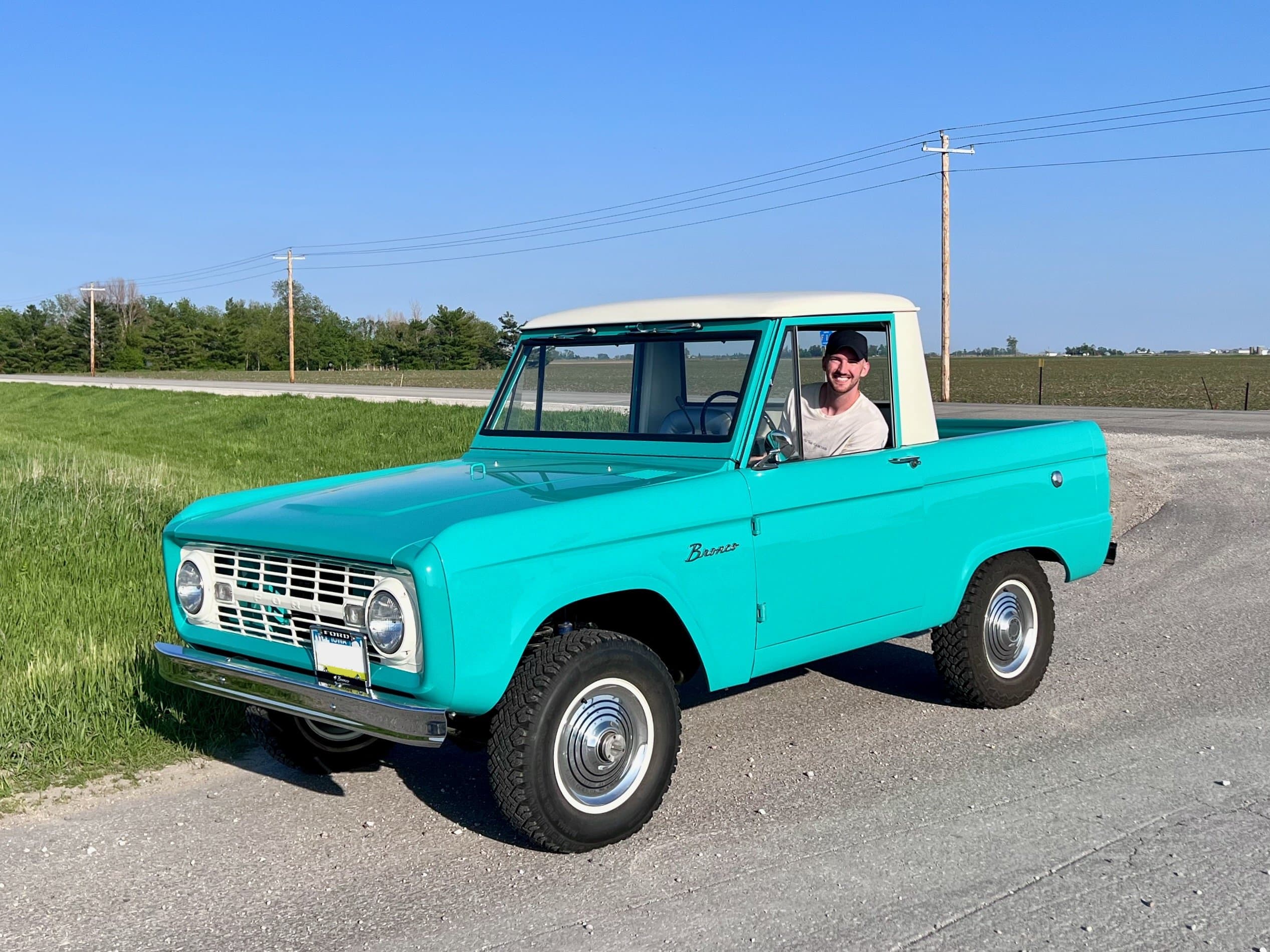
My dad spent two years restoring his 1966 Ford Bronco. In honor of the car being passed down to me, here's the story of how he did it. Love you, Dad!
Buying the Bronco
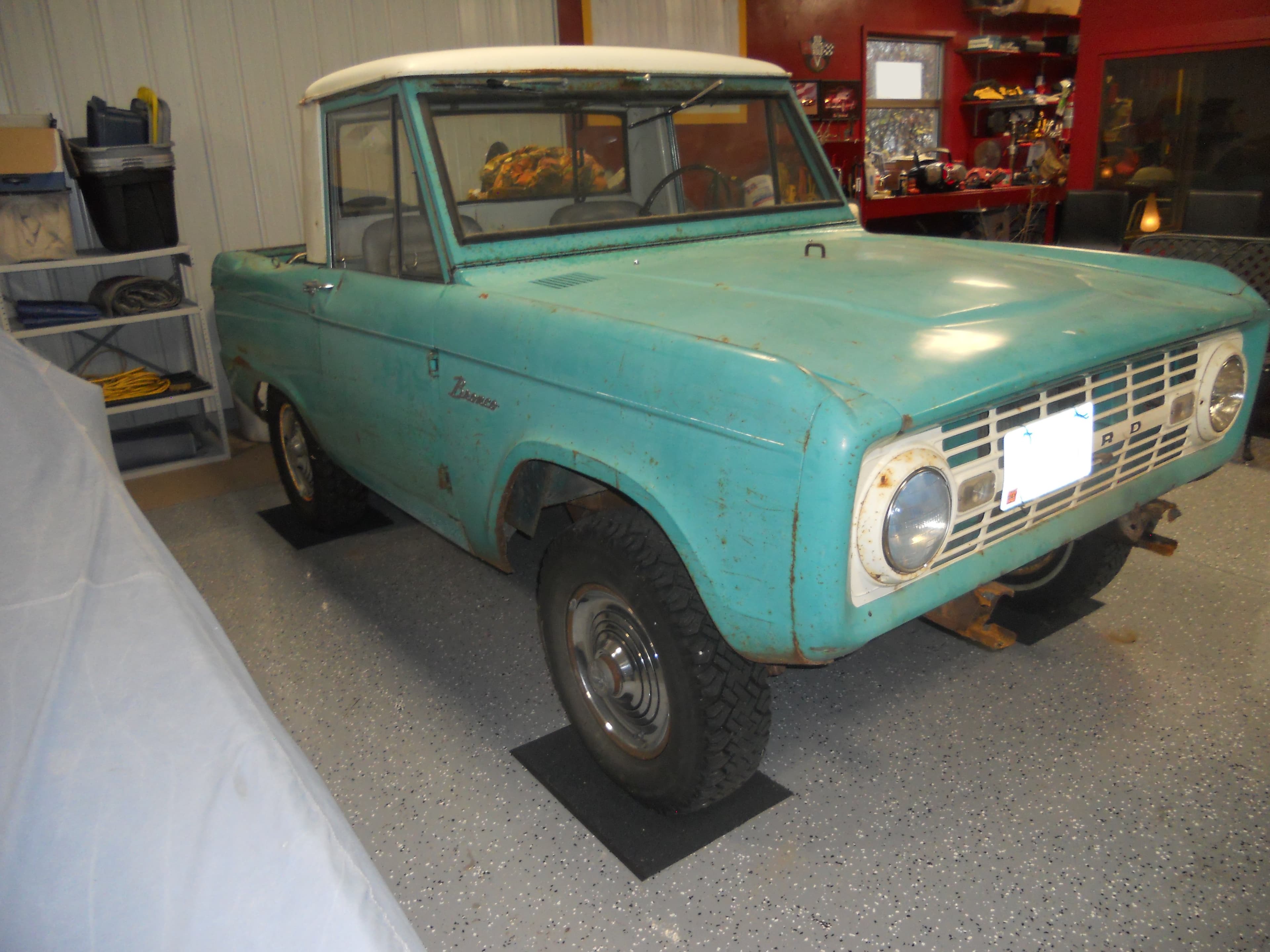
In 1995, my dad paid $1,000 for a rusty Bronco.
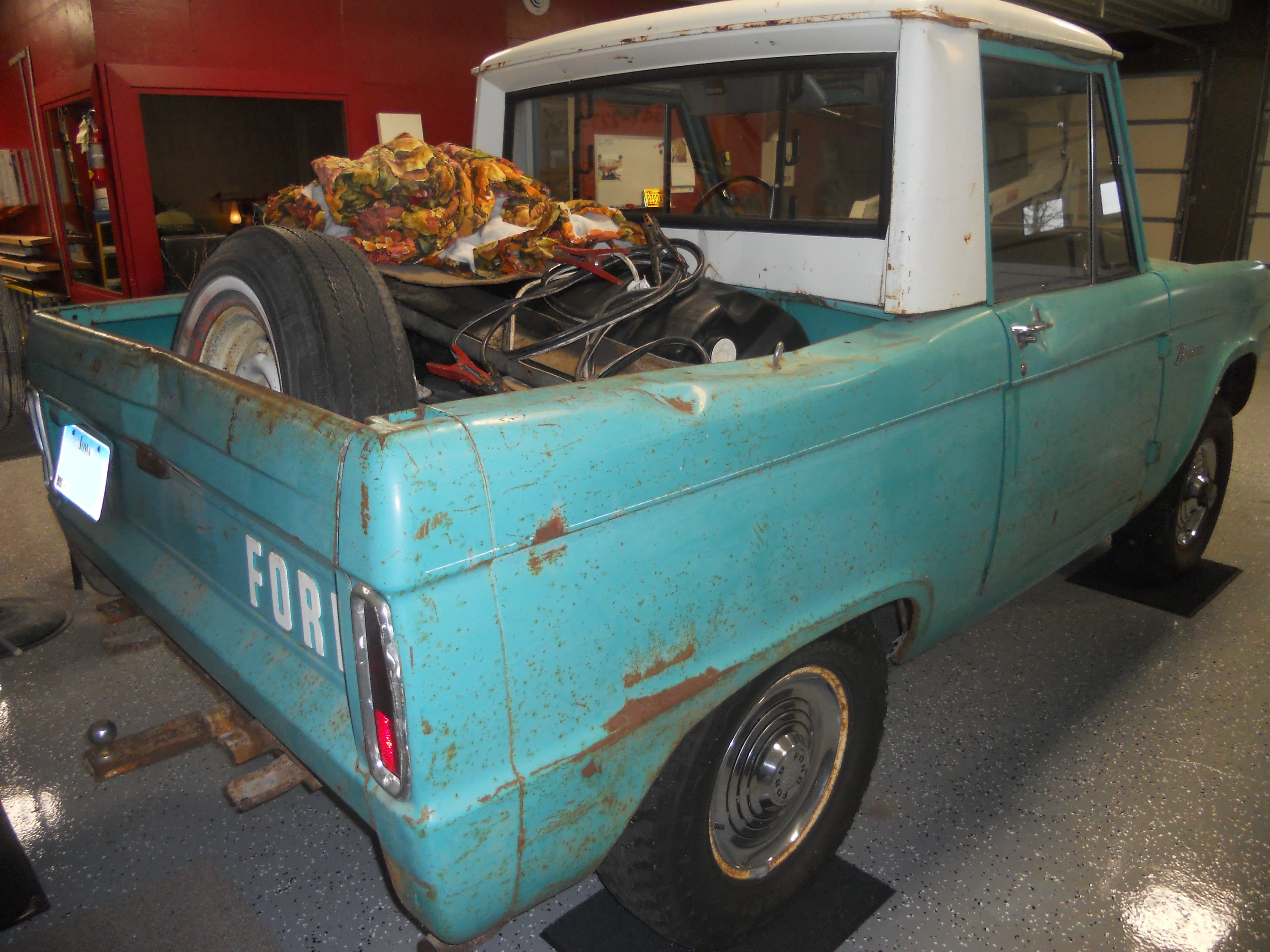
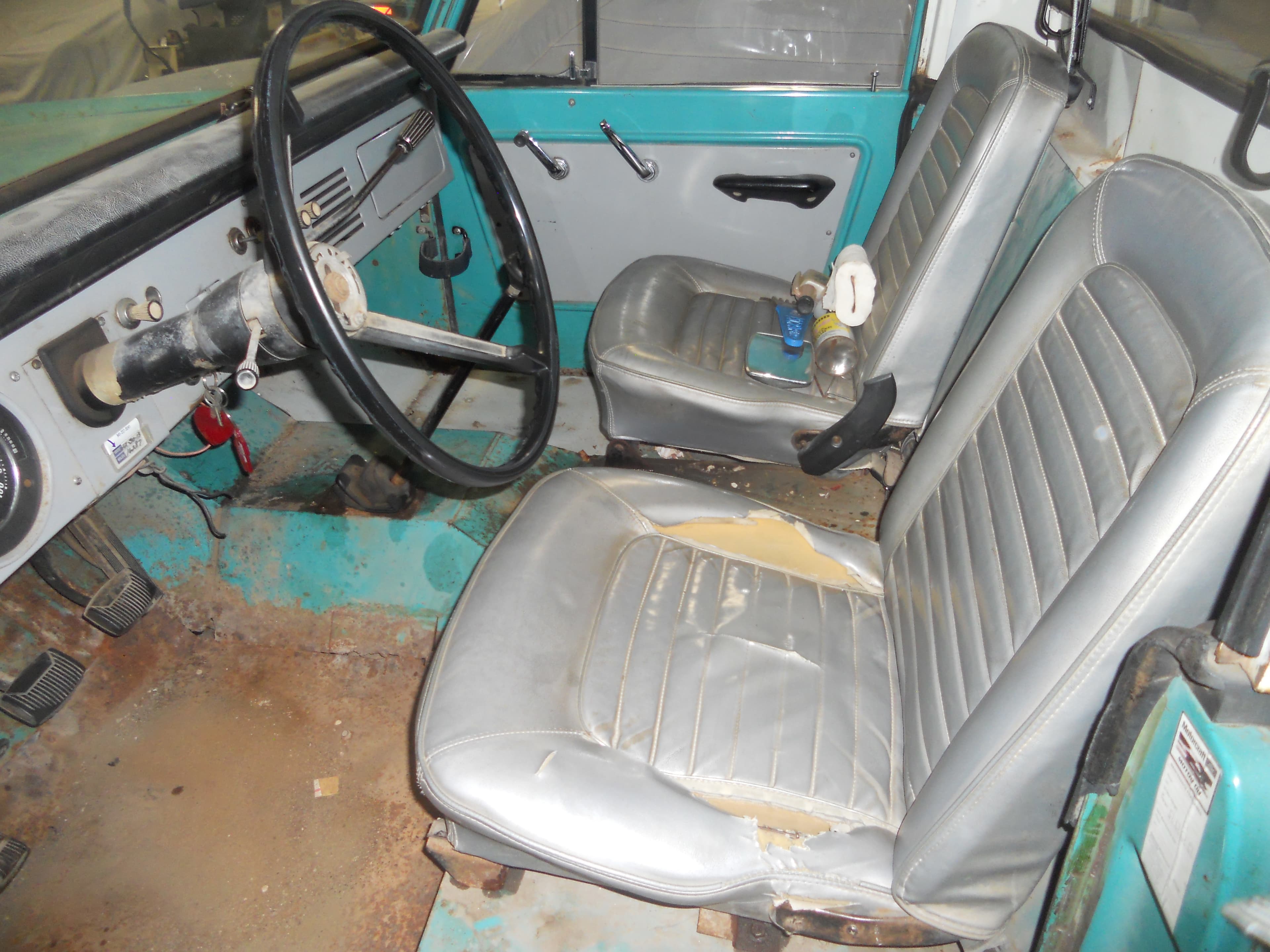
A local feed mill in my small Iowa hometown was downsizing. They'd used this truck to push snow for almost 30 years. It had a plow bolted to the front, with dents and dings from decades of hard winters. It only had fifteen thousand miles on the odometer.
My dad's first cousin and friend Randy worked at the mill. He called my dad to tip him off that they were selling the Bronco. The new manager's brother wanted it for nothing, but if someone made an offer, they said they'd have to consider it.
My dad offered $1,000. The brother didn't want to pay, so my dad got the truck.
First of its kind
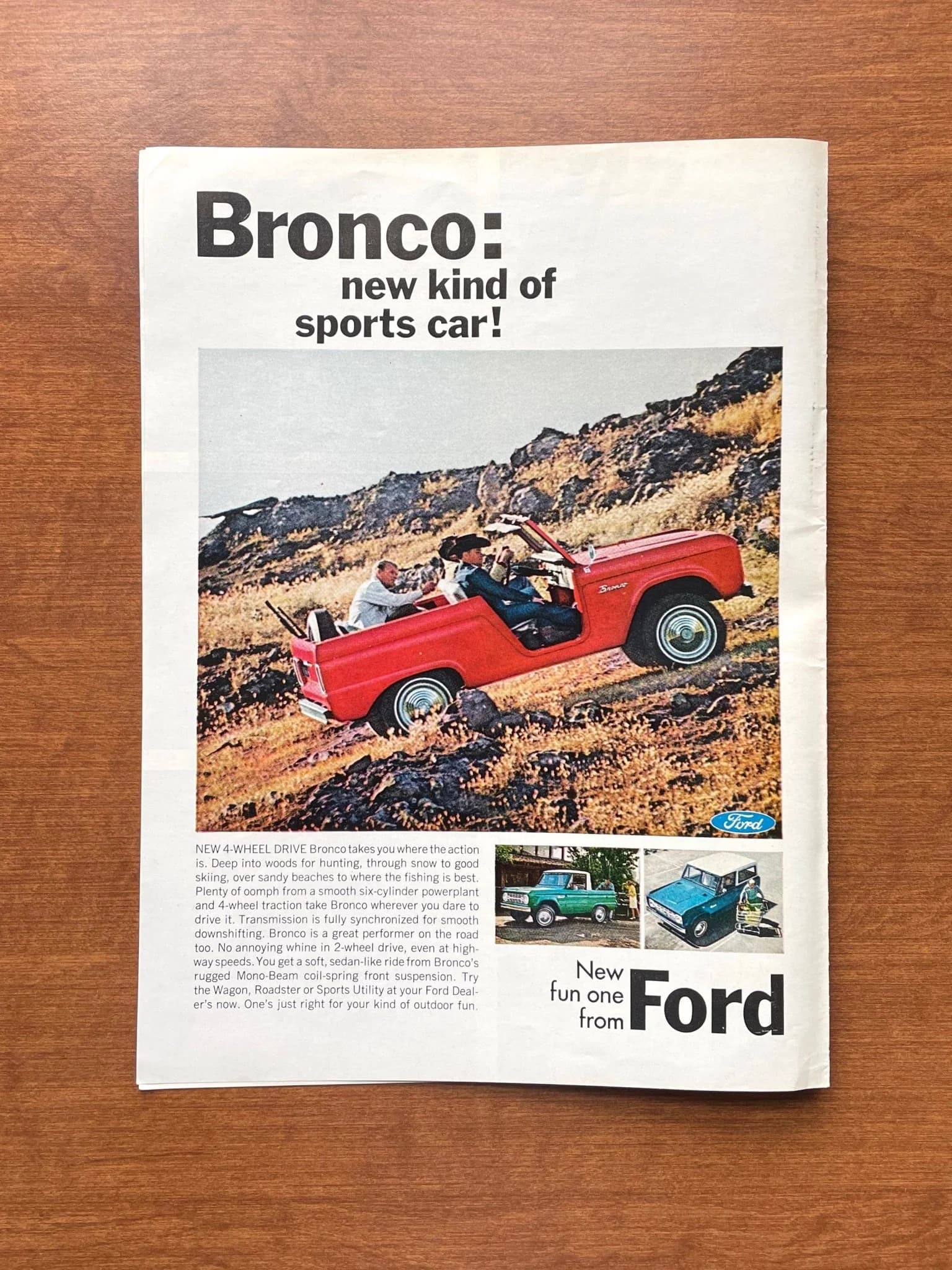
1966 was the first year Ford made the Bronco. My mom sent the VIN of the Bronco to Ford, and they sent back the manufacturing records. It was built in Wayne, Michigan in November 1965 and was one of the first 2,000 ever built.
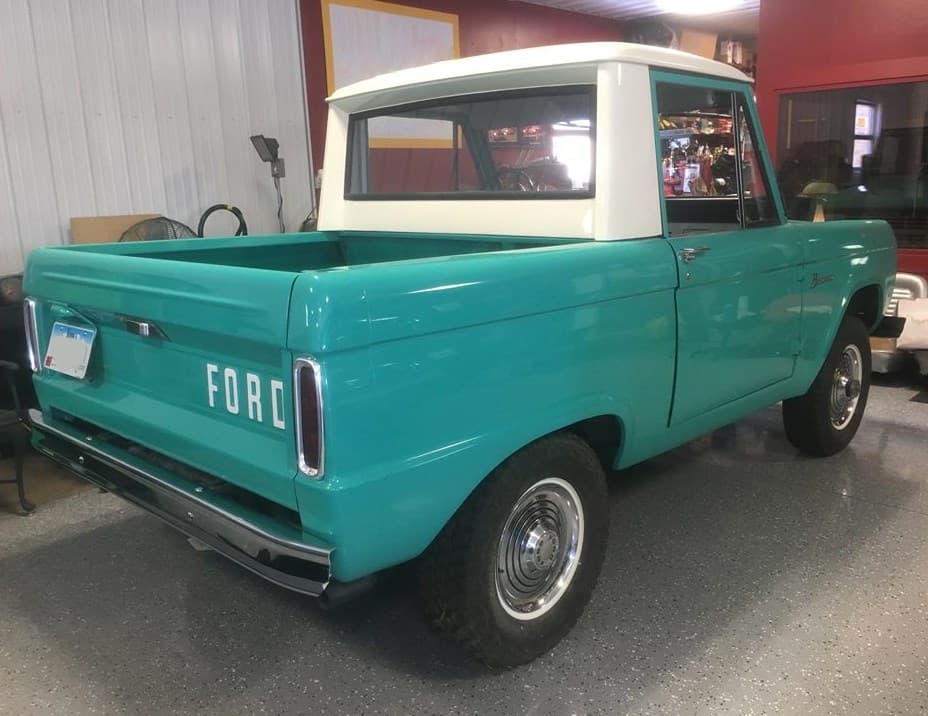
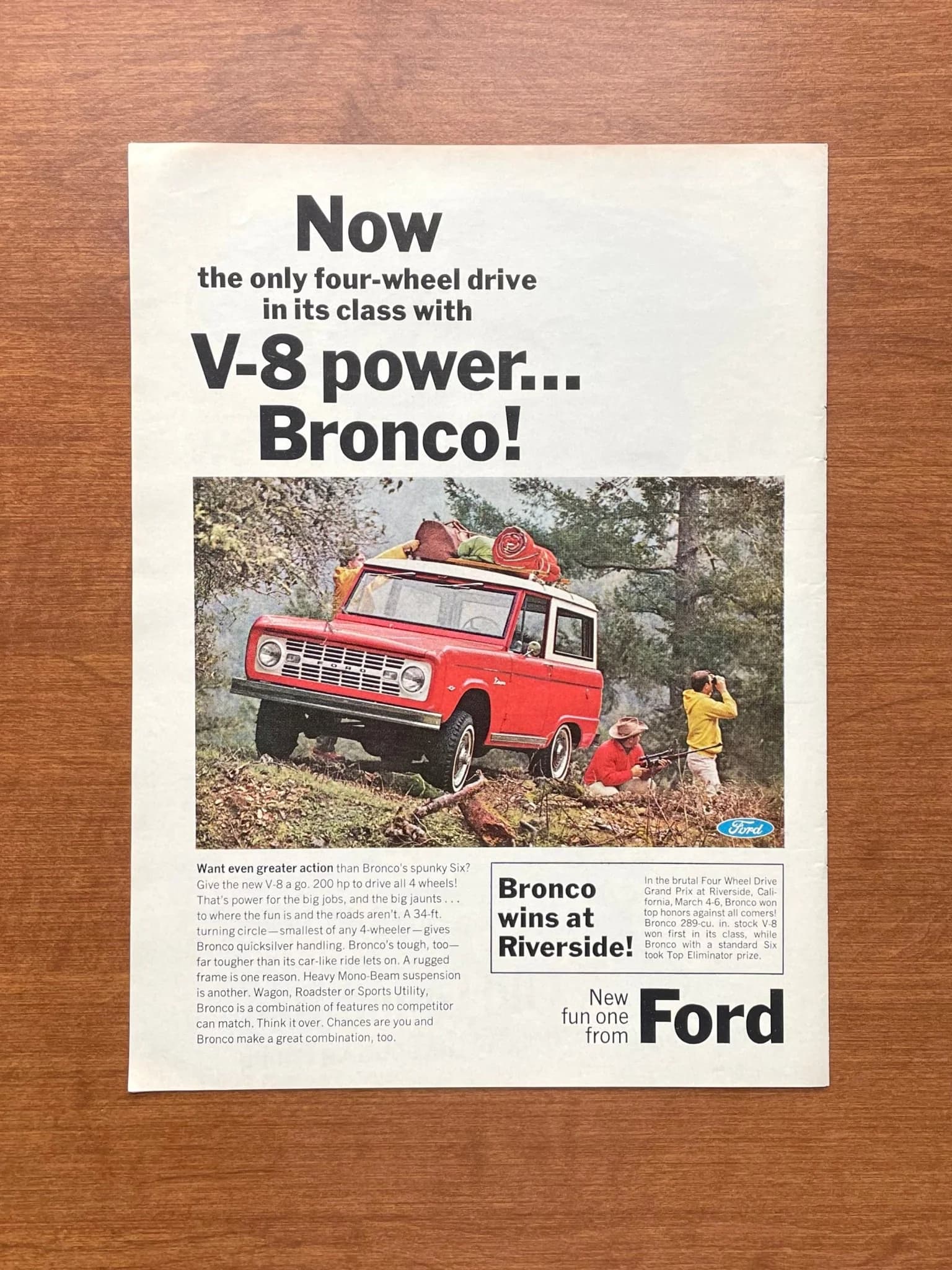
The Bronco came in three styles back then. There was the SUV-looking one most people picture today. There was an open-top roadster version. And there was the pickup, a worker's truck. That's what my dad has. It was ordered with a snowplow package, including air bags in the front coil springs to handle the weight of the plow.
For 20 years, my dad used it the same way the feed mill did. Pushing snow.
The restoration
My dad retired in 2016. He'd always said someday he'd restore the Bronco, but now he finally had the time.
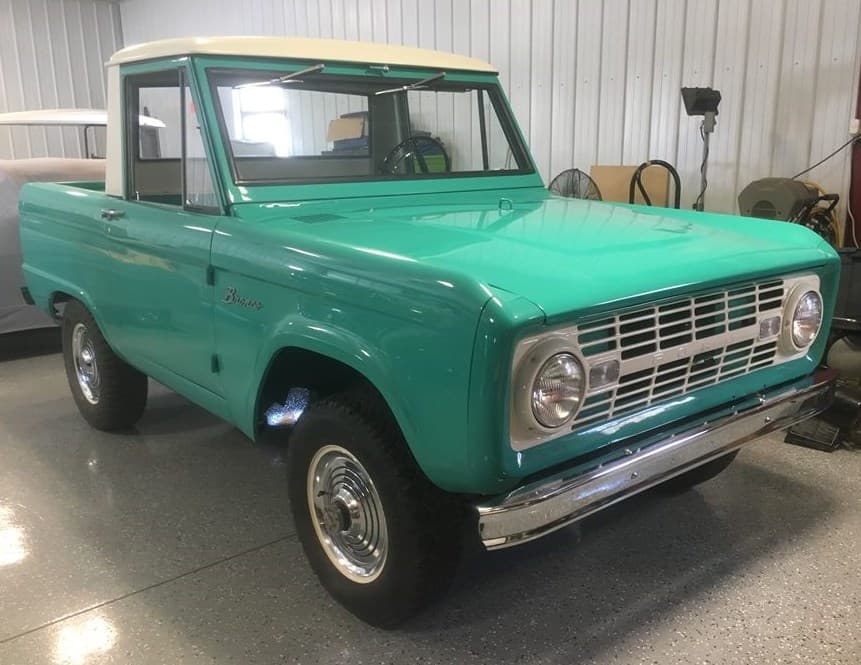
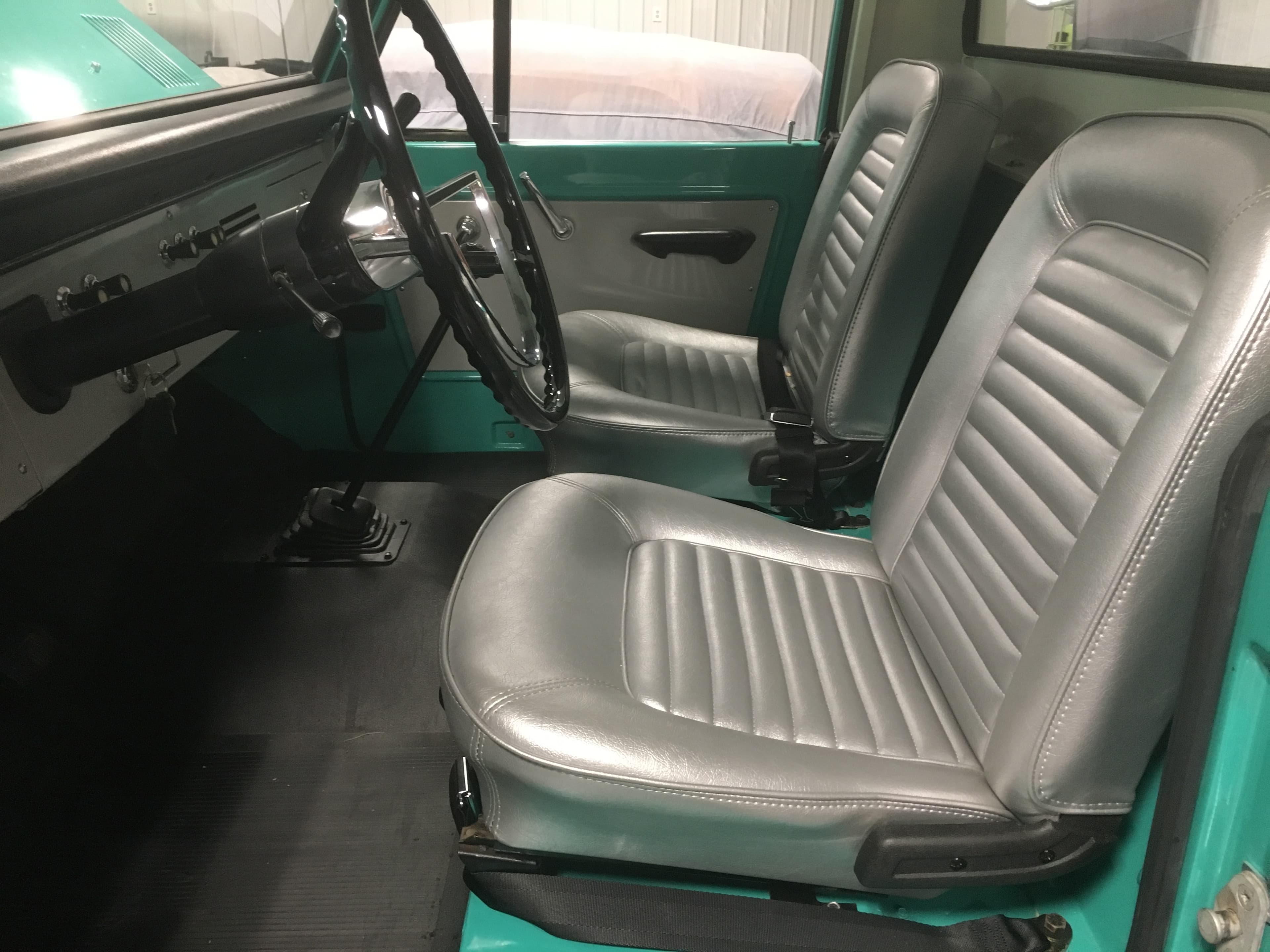
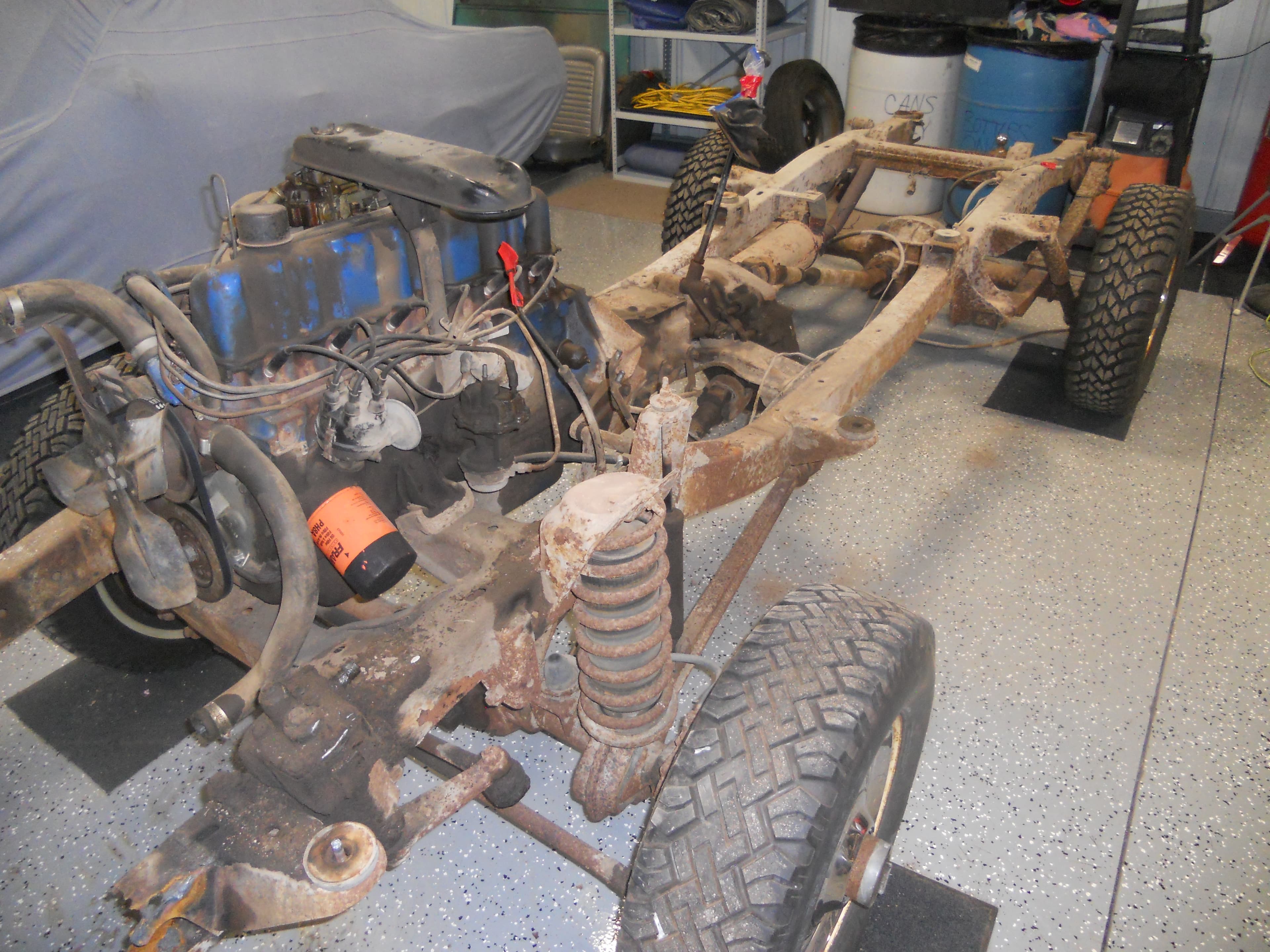
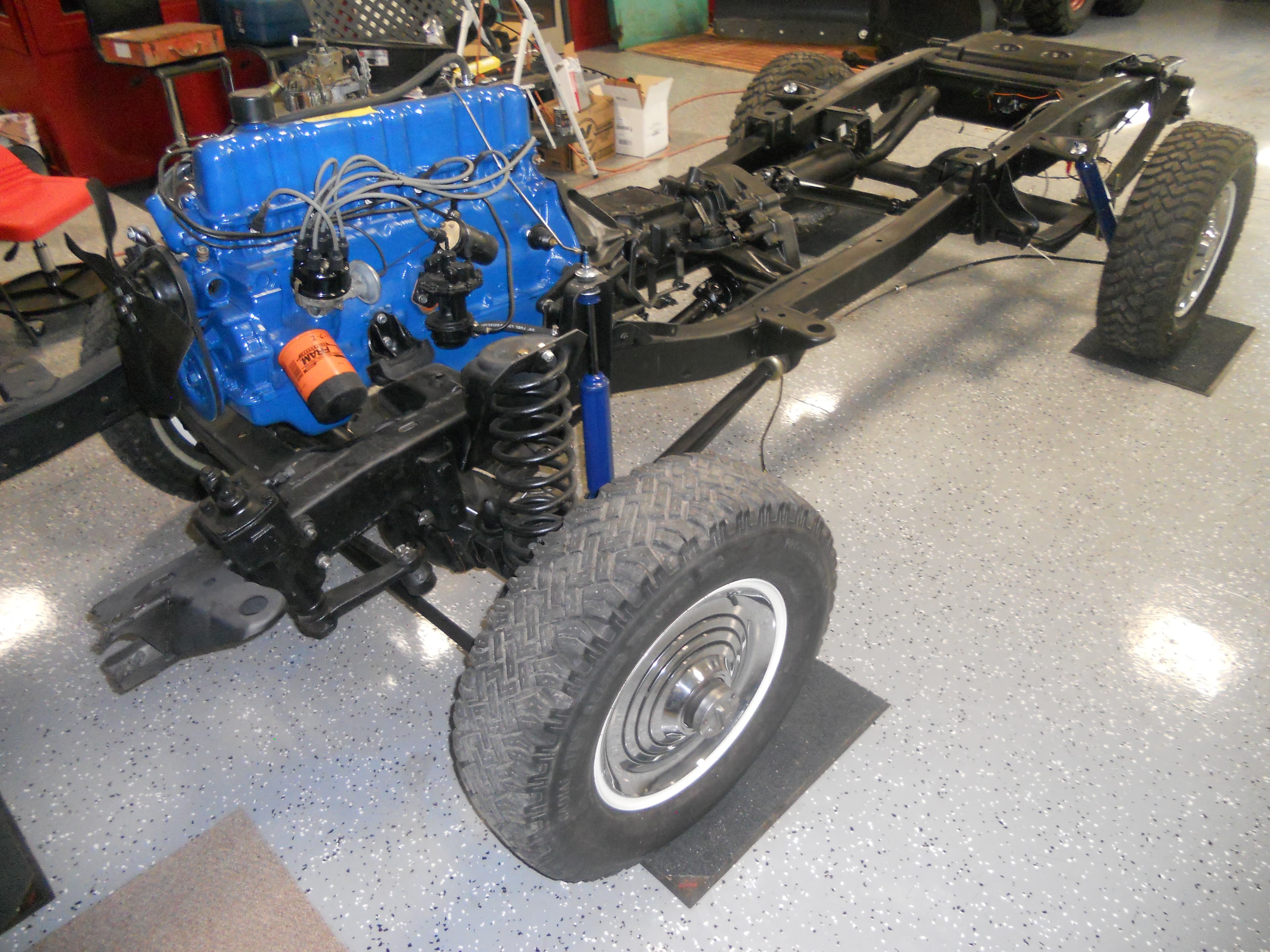
He decided to do a body-off restoration. That means taking the body completely off the frame, restoring each piece, and putting it all back together. Most people don't do this themselves, nor do they keep things original. They add lift kits, bigger tires, and modern engines. But my dad wanted his to look like it rolled off the line in 1965.
My dad had a friend who owns a body shop. He bead-blasted the Bronco frame clean. To get the perfect color match for the body, he scraped a paint sample from under the dash where the sun had never touched. A computerized match then got the exact turquoise color of the original paint.
The fenders, hood, and door skins were all too damaged to save, so my dad ordered replacements. They cut out the rusted floor pans, screwed in new ones with self-tapping screws, welded the seams, backed out the screws, and welded those holes shut. Then they ground it all smooth. My dad did the vast majority of the restoration work himself.
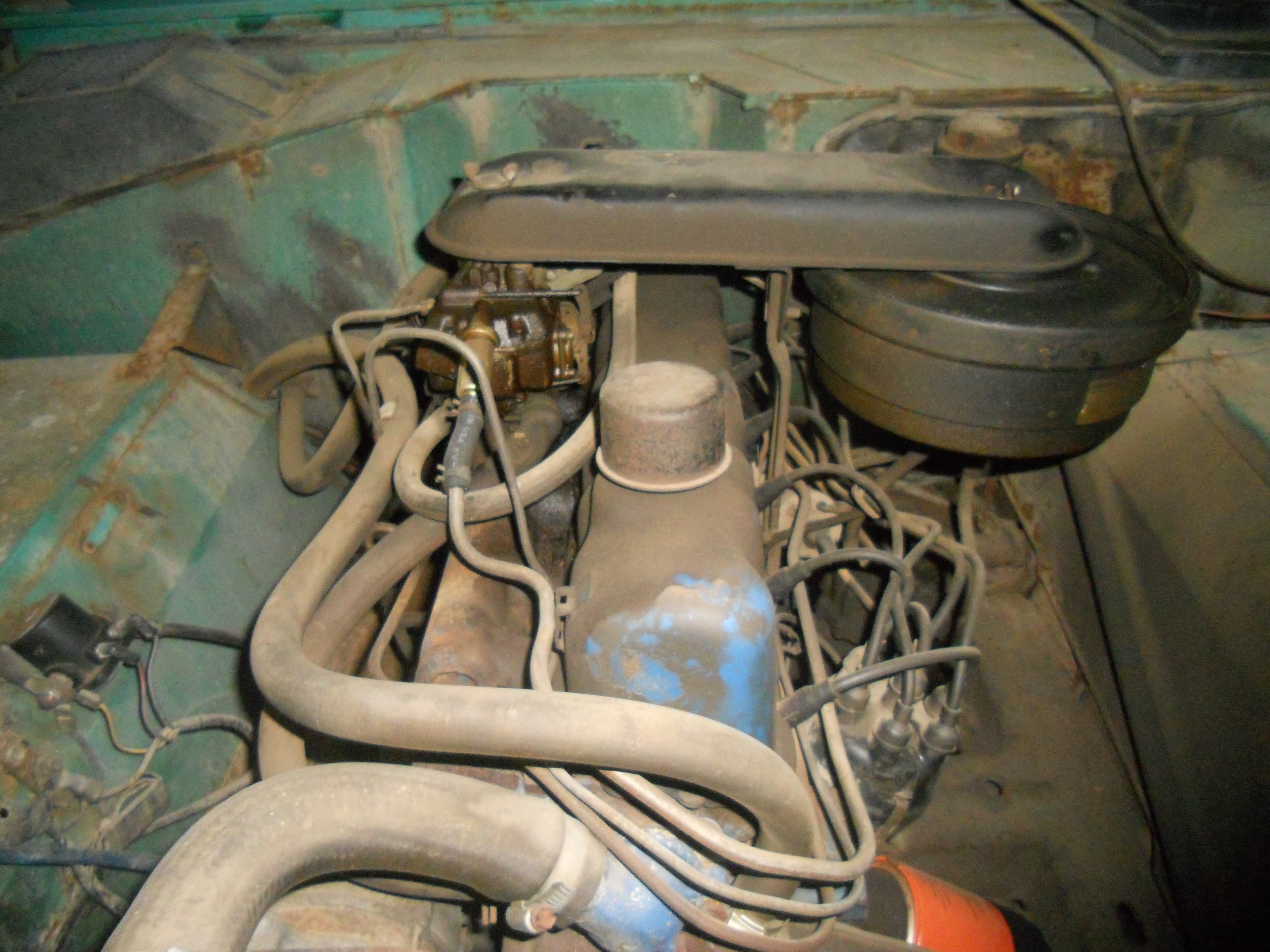
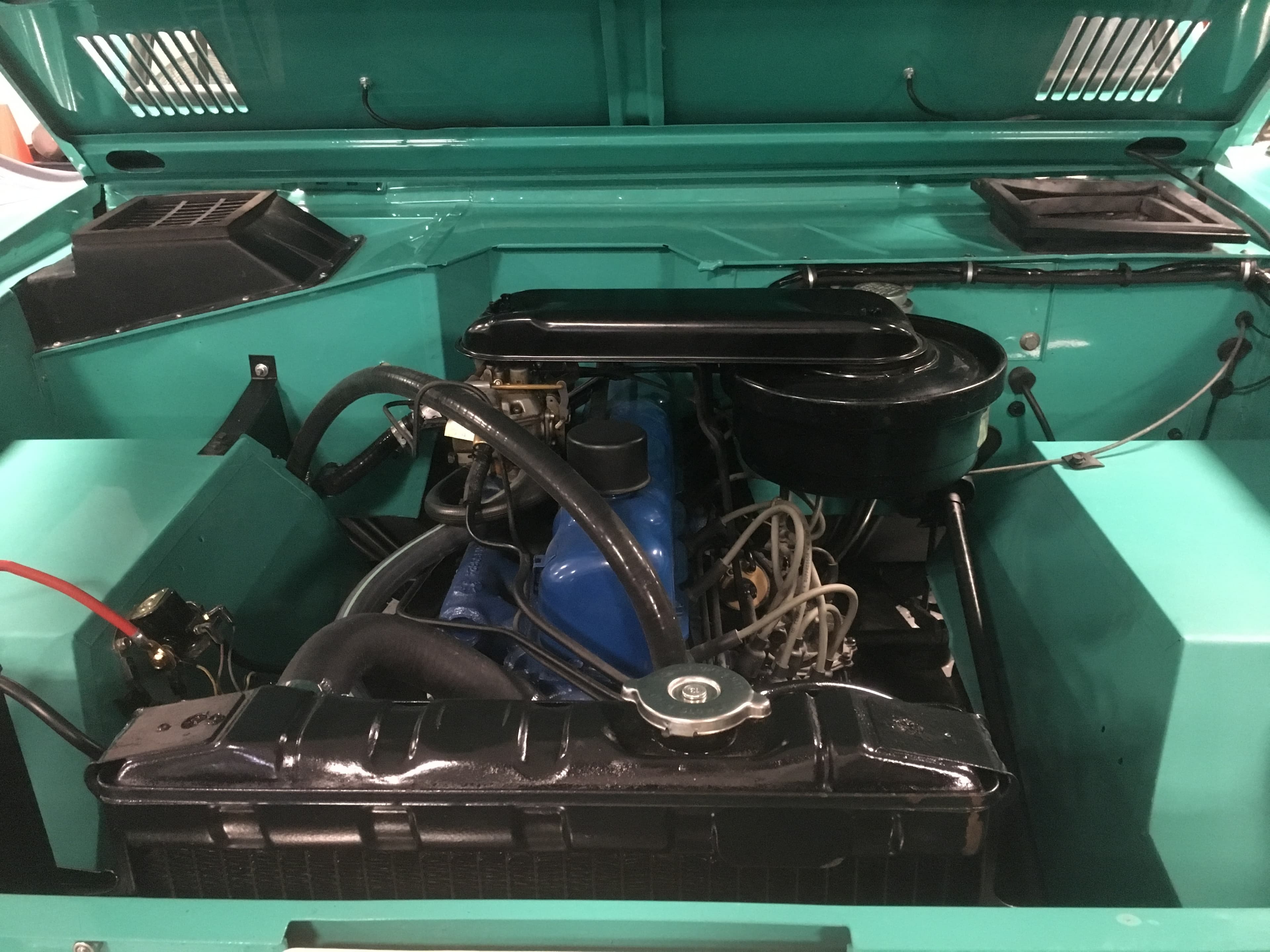
The wiring was the hardest part. Every wire had to be traced, labeled, and reconnected. My dad took photos of everything before disassembly. He kept the original wiring harness, which is unusual. Most people replace it with modern wiring. His friends said he was crazy, but my dad inspected every wire to make sure they were perfect. My mom cleaned them with dish soap, rewrapped them with tape, and made loops to keep the ends tight.
The final product
The restoration took two years and a lot of blood, sweat, and tears.
My dad ran a snowmobile shop with his friend Louie in his 20s. This was on nights and weekends, while he was working his full-time job running a construction business. He's always been a tinkerer, fixer, car lover, and the type of person who rolls up their sleeves and gets things done.
It was inspiring to see him take on this passion project and see it through to the end. Here are some of the before and after photos for the finished product: